




This eBook will be accessible via the Bookfusion app that can be installed on any Android device (mobile, tablet or eInk) as well as on all Apple devices or through your Web browser. You can also use our send to kindle service to forward any eBook you have purchased to your Kindle Library.


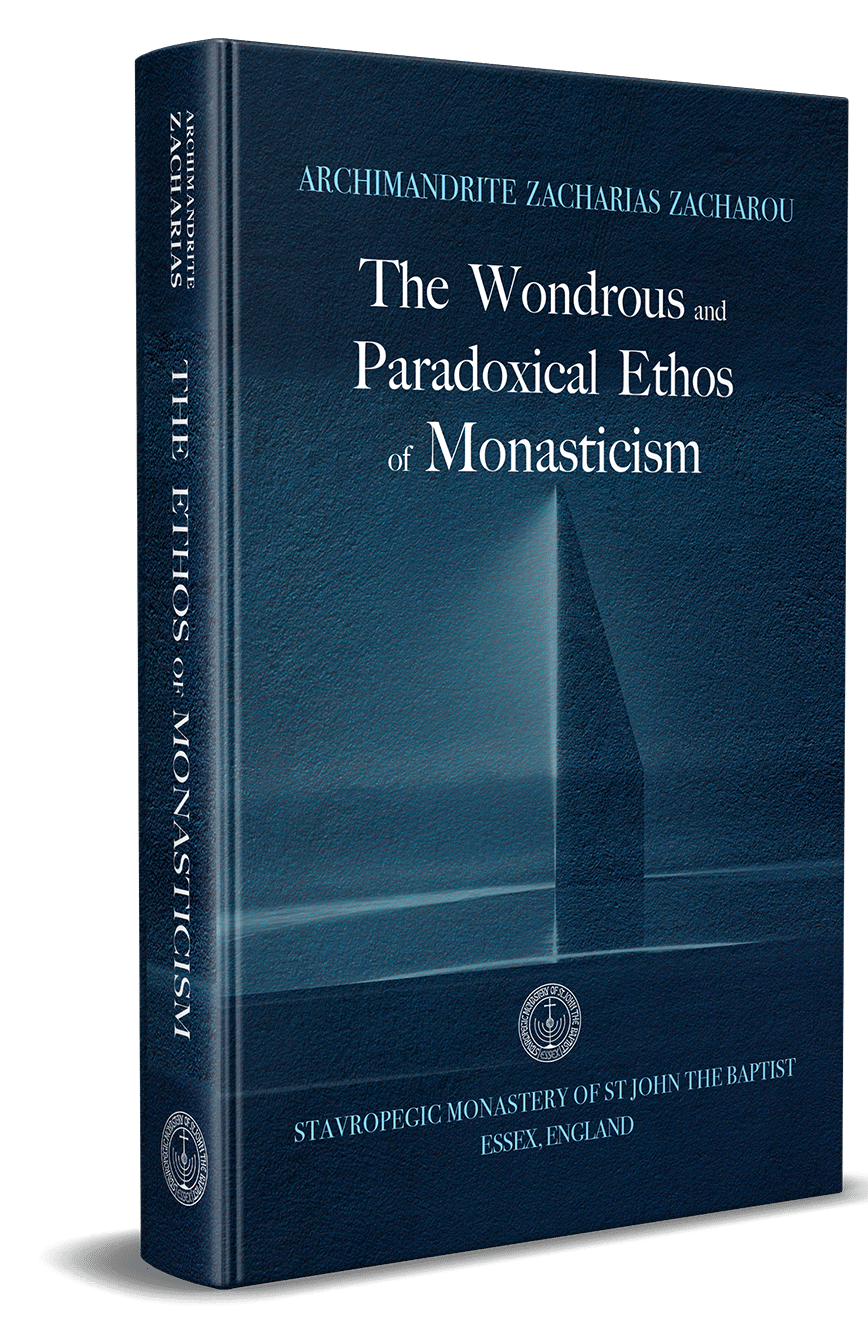
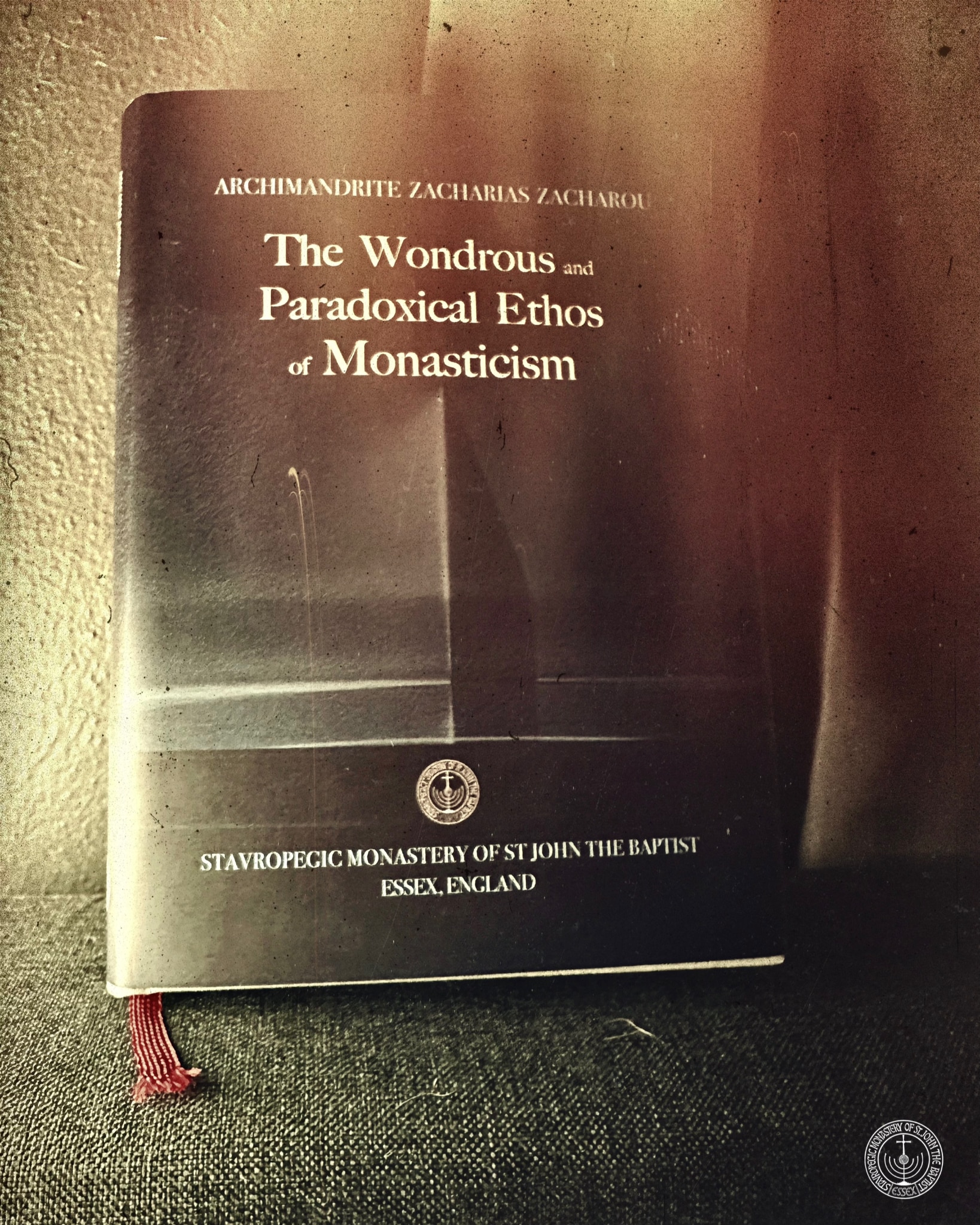
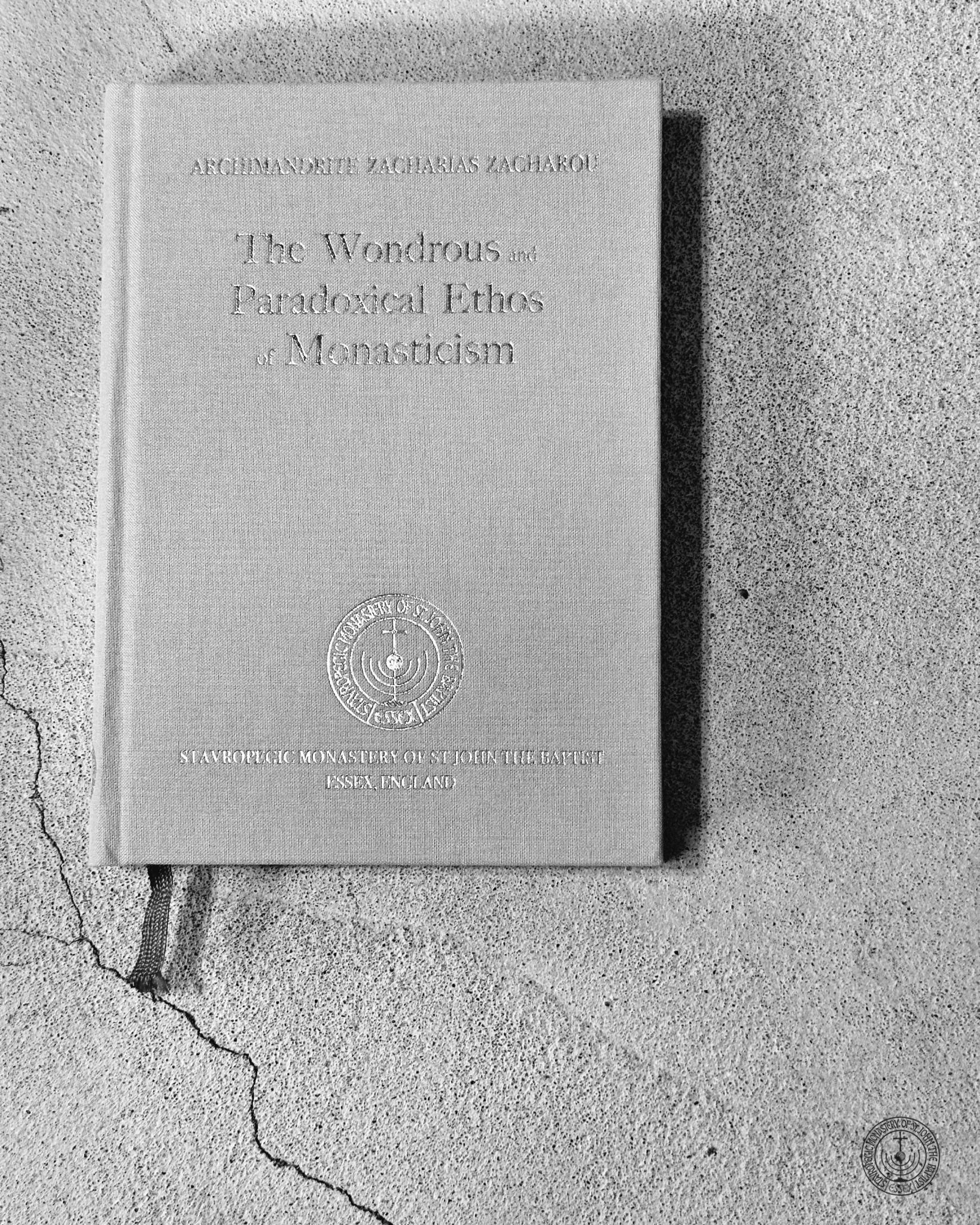
eBook: The Wondrous and Paradoxical Ethos of Monasticism
$20.00
New
To become an image of Pentecost, the monk must be a worker of repentance, a man of ardent desire, and persevere in the earthquake of repentance that renews his soul. Then he will bear witness to the humble ethos of Christ which has overcome his nature. This ethos reveals the supernatural transformation he has undergone: from a divided and distorted being into a living image of the Lord Jesus.
🌟 Buy a book and get an eBook or audiobook at 40% discount. Discount automatically applies when purchased together.
Buy the hard copy of this ebook
In stock
In stock
Secure Payments
TABLE OF CONTENTS
Prologue
The Paradoxical Way of the Lord and its Otherness in the Monastic Culture
Sanctification, the Gold Reserve of Salvation
Separated from All and United to All
Obedience, Faith Activated by Love
The Call of Monasticism
Serving the Brotherhood
Mistrusting our Limited Mind
Our Resolution to Die
The Small Communion of Saints
The Thought of Living in Stillness
One Care: The Garment of Sanctification
Obedience, Endless Gratitude
Obedience, Faith Made Evidence
The Selfless Care of our Elders
Becoming a Gift to our Elders
Absoluteness of Obedience, Richness of Life
What Obliges God
The Fortitude of Going Down
Finding Confidence Before the Lord
Mutual Inspiration Between the Elder and the Disciple
Maintaining the Same Reverence to the End
Becoming Genuine Children
The Gift of Obedience
Obedience Perfected in Love
The Monk, Bearer of the Ethos of Christ
Saving Leaps of Self-condemnation
The Attraction of Humility
The Fear of Going Down
Experiment and True Inspiration
Keep thy Mind in Hell
Going to the End
Education through Trials
Leaps of Faith, the Way Out
The Earthquake of the Monk, Image of Pentecost
The Fearful Refashioning of the Heart
The Earthquake by the Name of the Lord Jesus
The Earthquake of Repentance
The Earthquake through Love for the Word of God
The Earthquake of Obedience
Temptations of the Monk
Narrowness of the Way and Sensitivity
Exhaustion and Prayer
Grief for our Remoteness from God
Freedom from Despondency
Increasing the Tension
The Destructive Rational Mind
Desire to Slacken the Tension
Concern for One’s Kin of the Flesh
The Calamity of Independence
The Perfect Way of God
The Blessing of Being Dependent
The Cleansing of the Heart
Inheriting Life
Saints Silouan and Sophrony
When Life is Limping
Criterion of Obedience
Obtaining Hypostasis
Fidelity
Seeking the Bridal Chamber of the Heart
Visitations from Above
Knowing His Humble Spirit
A Great Science
Hatred without Hatred
The Bridal Chamber of the Heart
The Monk’s Attitude towards his Elder
A Relationship that is not of This World
The Word of the Elder Brightens our Life
An Unfailing Criterion
The Holy Abbot
The Providence of God through the Abbot
A Prophetic Ministry
Convincing God and the Elder in the Heart
The Sacred Tool of the Monk
Acquiring Supernatural Gifts through Obedience
God’s Education: Tasting Death unto Life
Our Point of Reference
The Joy of the Elder, the Joy of the Disciple
The Sign for the Monk
The Word of Life
The Greatness of the Vocation
Obedience, the Wondrous Healing of the Will
From Self-renunciation to Contemplation
The Pool of Siloam, the Cradle of Brotherly Love
Fulfilling the Second Commandment of Love
Living with the Brethren
The Poverty and Otherness of the Monk
Shortcut to Reconciliation with God
A Blessed Shortcut
A Supernatural Birth
The Shepherd of the Brethren
Freedom in the Community
Transcending the Law
Time and Thanksgiving
Royal Priesthood and the Blessed Desert of the Monk
The Charismatic Liturgy of the Monk in His Cell
From Self-condemnation to Divine Illumination
The Veil Is Lifted
Index of Scriptural References
Book Sample
Available in 2 Languages
More from the Author



About the Author
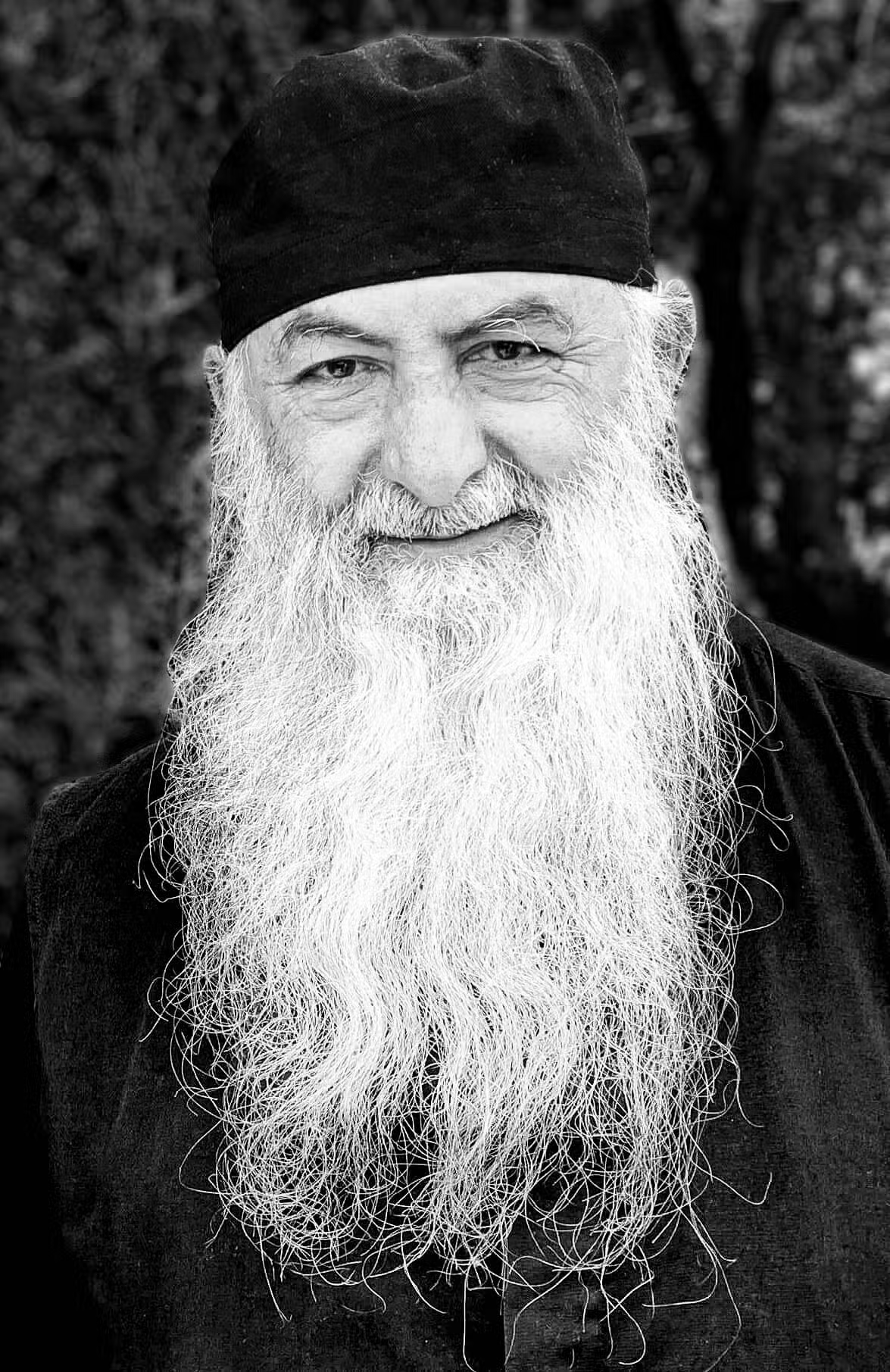
Archimandrite Zacharias Zacharou
Father Zacharias studied theology at the Orthodox Theological Institute of Saint Sergius in Paris and at the Aristotle University of Thessaloniki. He has translated all the writings of Saint Silouan and Father Sophrony from the original Russian into Greek and he presents their rich theology to the Orthodox world by writing books and articles and taking part in conferences. Moreover, he serves as a spiritual Father and minister of the word of God to his brethren and the people that come to him. Read more…
Media
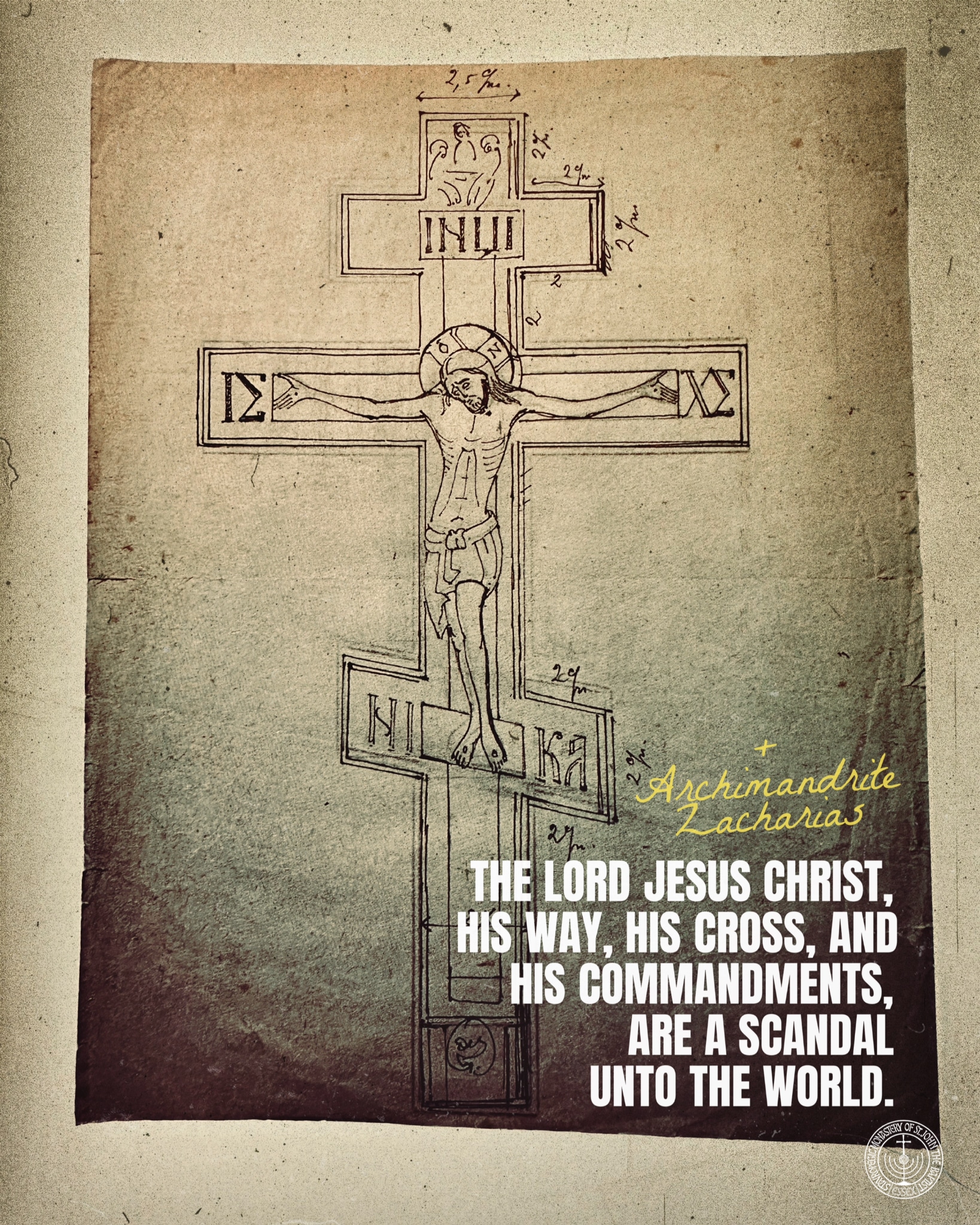
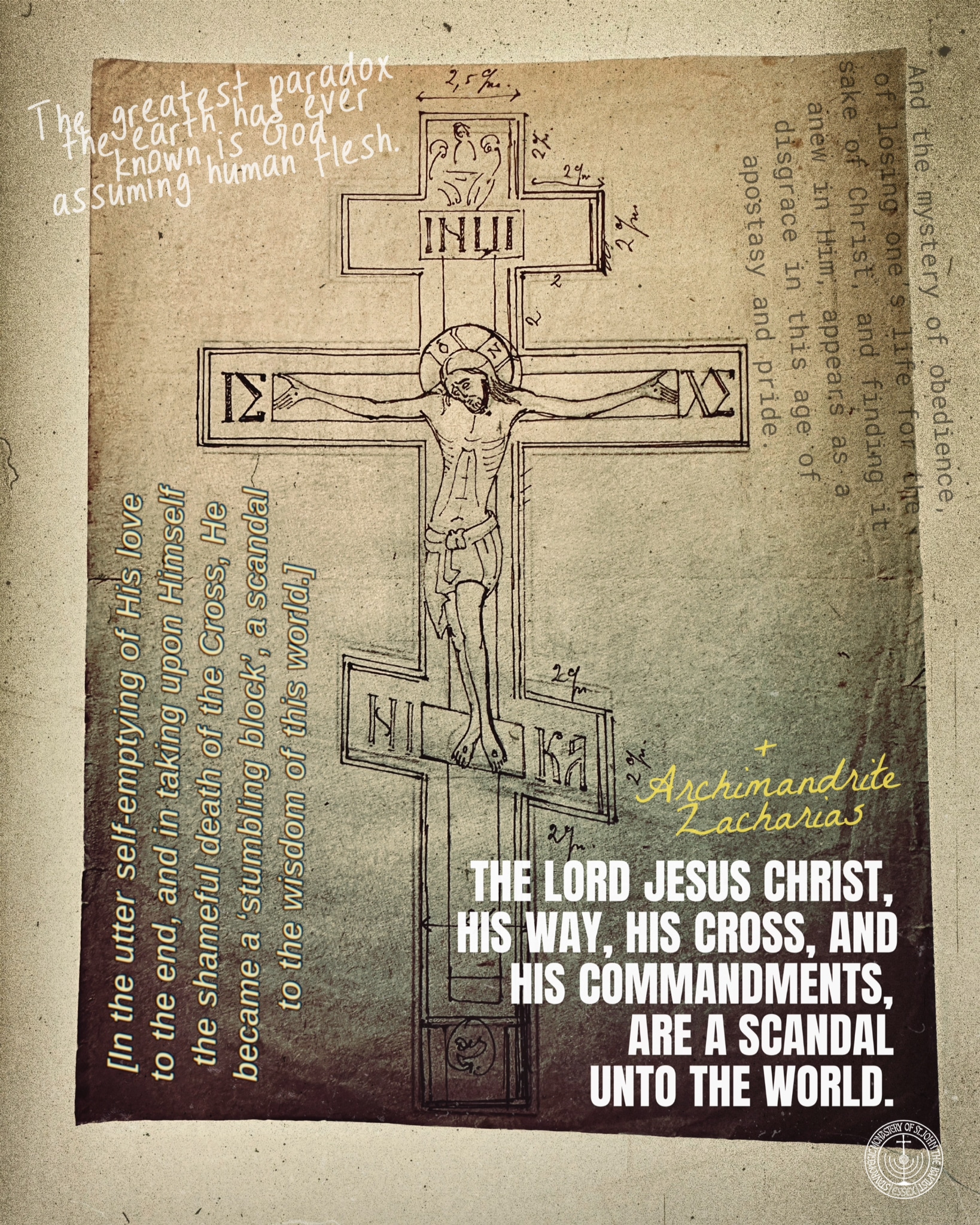
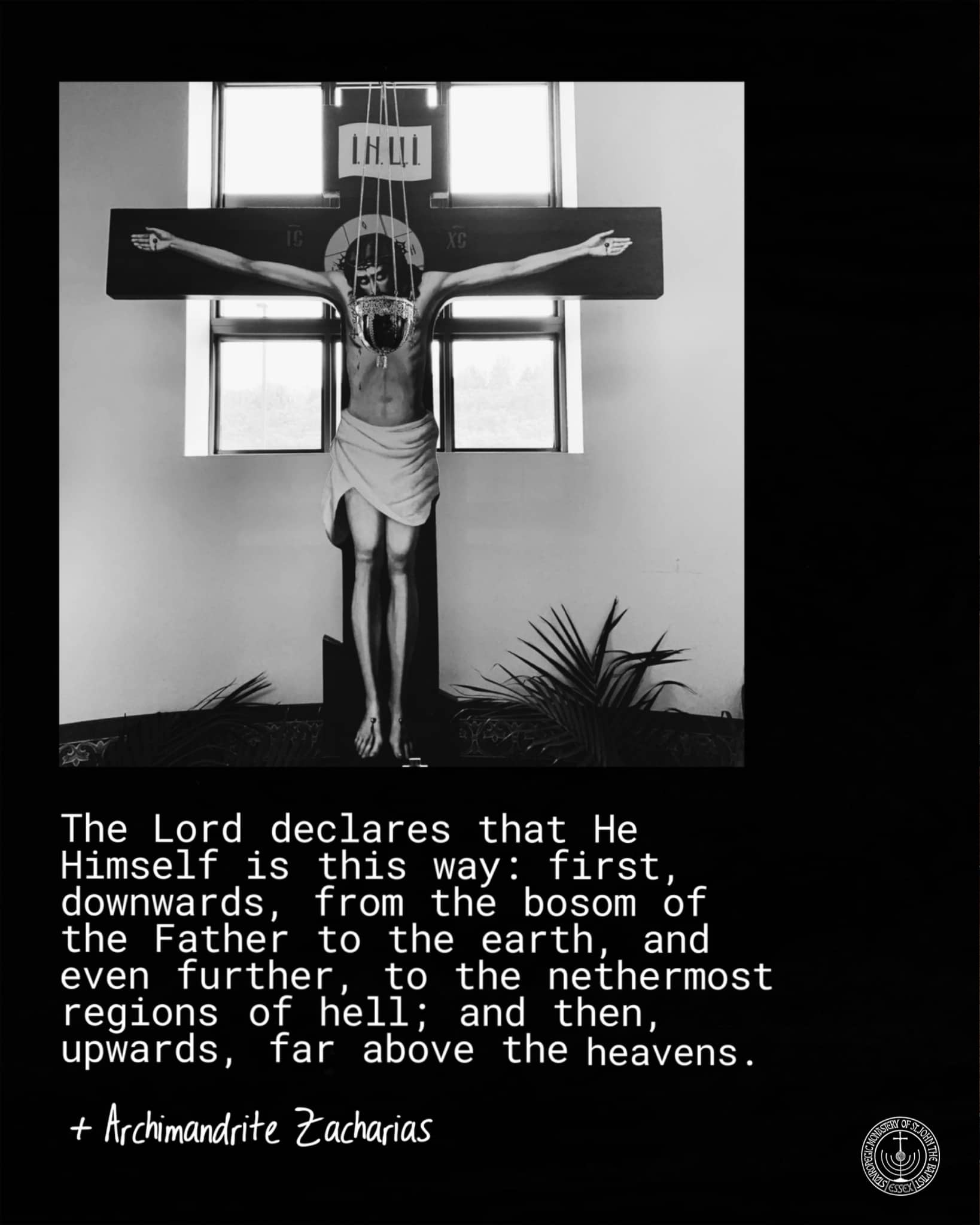
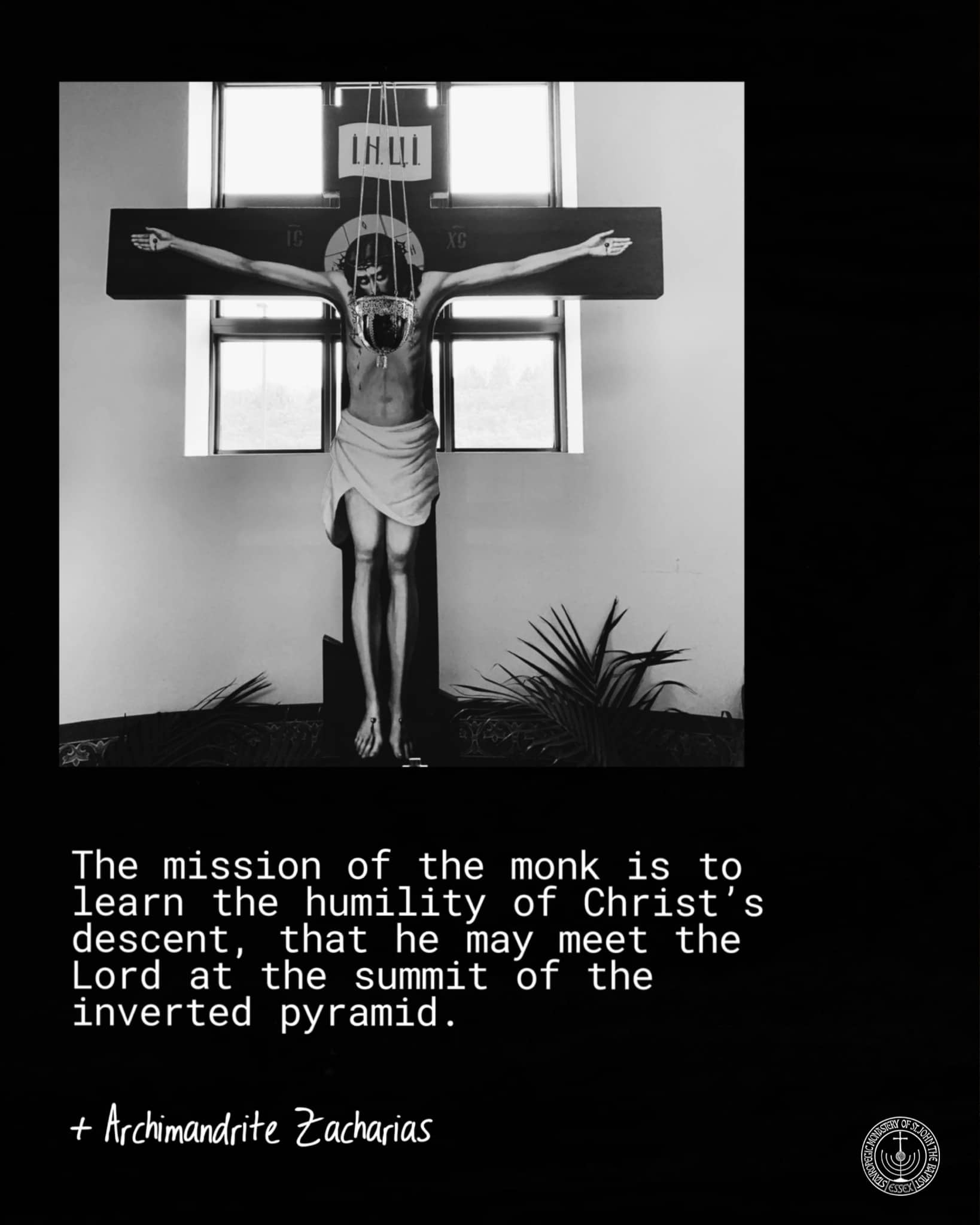
Excerpts (3)
Reviews (2)
Note: Your review will be shared across all formats of this book and will appear on the main book page:
The Wondrous and Paradoxical Ethos of Monasticism.
Be the first to review “eBook: The Wondrous and Paradoxical Ethos of Monasticism”
Explore More Books


In stock
Customer reviews
No reviews found